
We are part of —

Dr Eng. Michał Dąbrowski
Southern region — GPR systems, utility locators and rebar scanning.
Kraków
We are part of —
Showing all 4 results
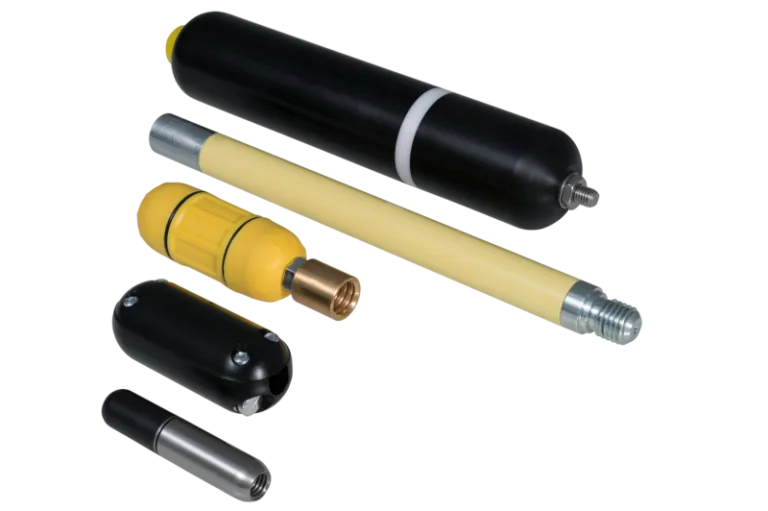
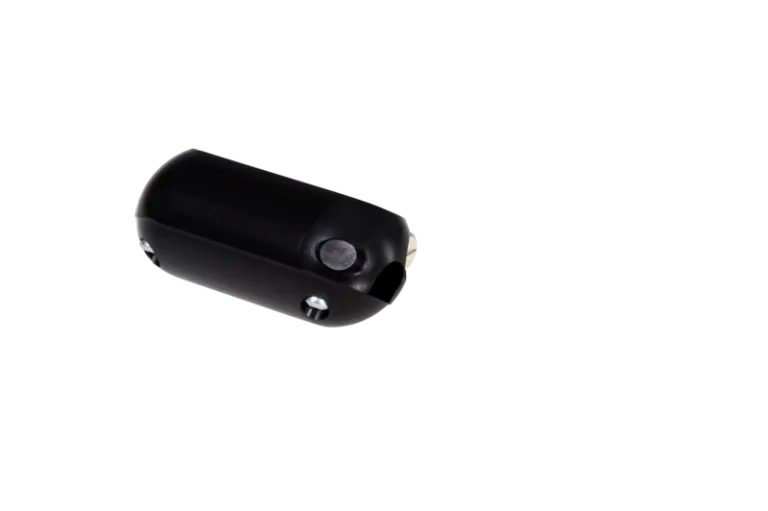
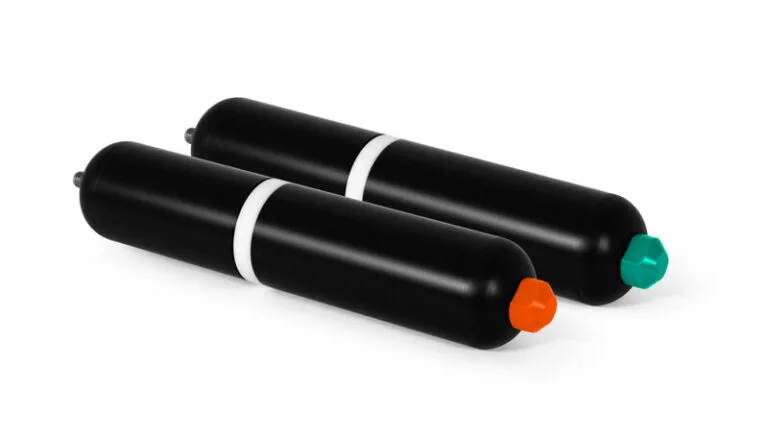
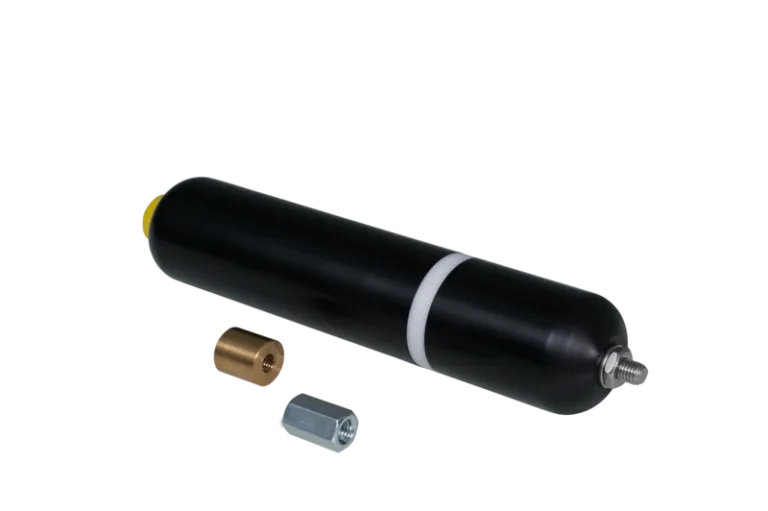
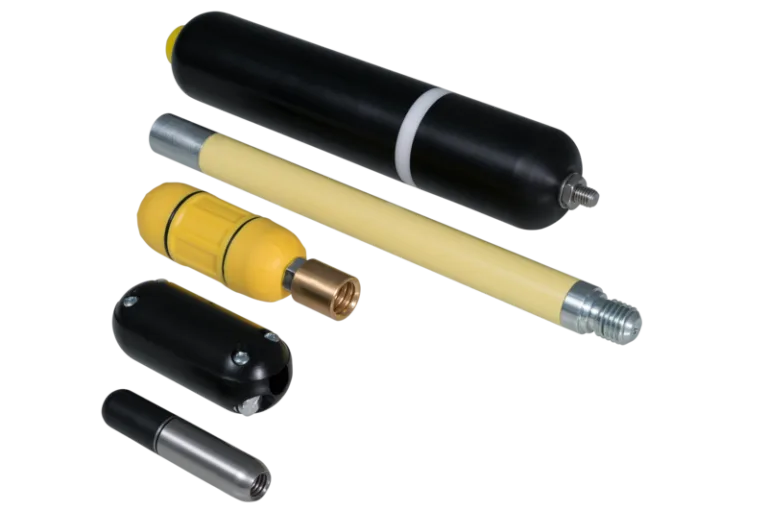
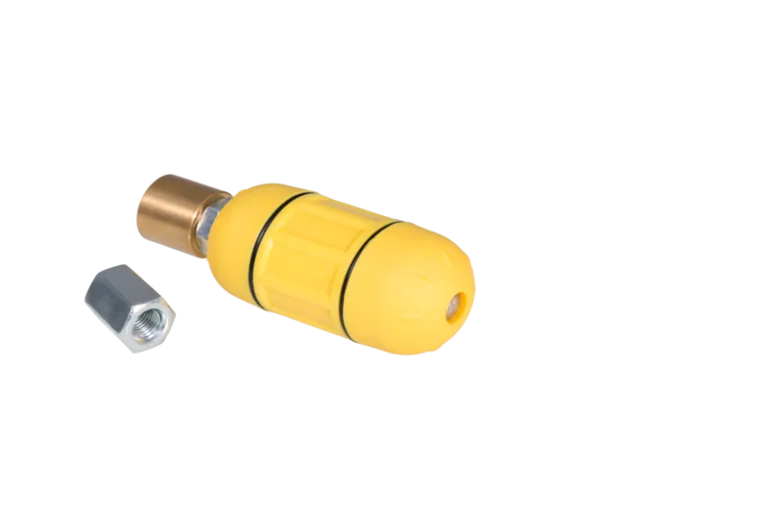
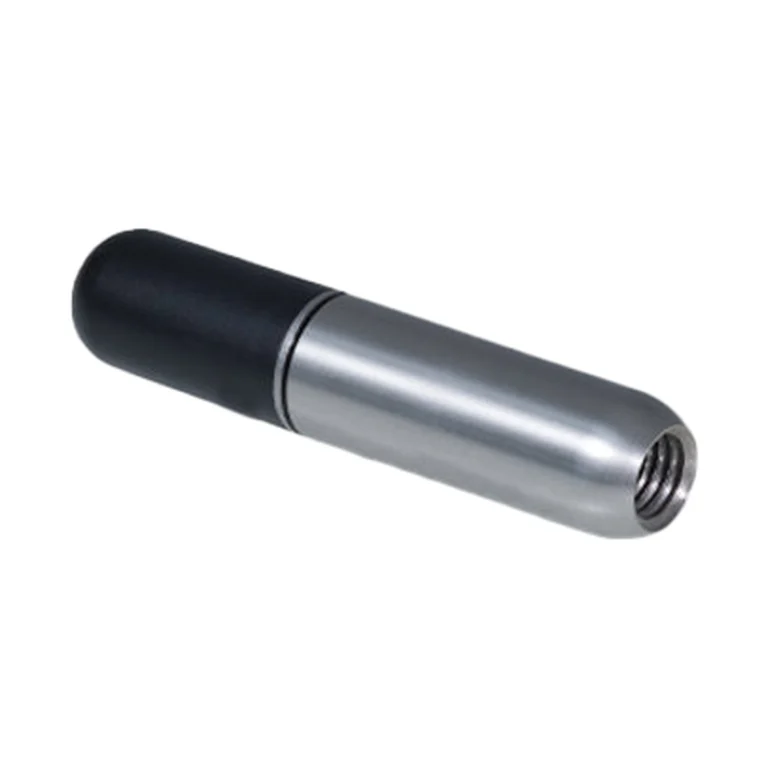
A sonde locates a point, an active rod helps trace a route, and ordinary fibreglass pushes a sonde. Select equipment for pipe access and conditions.
Choose a locator for the utility and working method. Compare Leica DD100 with DT100, transmitters, sondes and the equipment supplied in kits.
Check the frequency supported by the receiver, the sonde dimensions, power supply and mechanical connection. Then assess pipe geometry and expected reception conditions. Do not choose a sonde solely by its largest catalogue range figure.
A sonde indicates its transmitter’s position. A suitable active rod may enable the inserted route to be followed. An ordinary pushing rod does not automatically gain this function. The choice depends on whether a point, successive points or a section’s route is required.
No. Reel length is a mechanical equipment parameter. Reception range depends on the signal source, locator and conditions. Pipe geometry may also limit the inserted distance independently of nominal rod length.
Compare actual dimensions, connection to the pushing element and the manufacturer’s limitations. Account for restrictions, bends and the connector, not just nominal pipe diameter. Also check that the receiver supports the selected variant’s frequency.
It refers to the located transmitter under conditions allowing a valid estimate. In a large collector the sonde may lie at the bottom, so its position is not automatically the pipe centreline or crown. The value needs assessment and appropriate documentation.
We'll come and show you the device in the field.
Southern region — GPR systems, utility locators and rebar scanning.
Kraków
Northern region — Utility locators, GPR systems and laser scanners.
Warsaw