We are part of —

Dr Eng. Michał Dąbrowski
Southern region — GPR systems, utility locators and rebar scanning.
Kraków
We are part of —
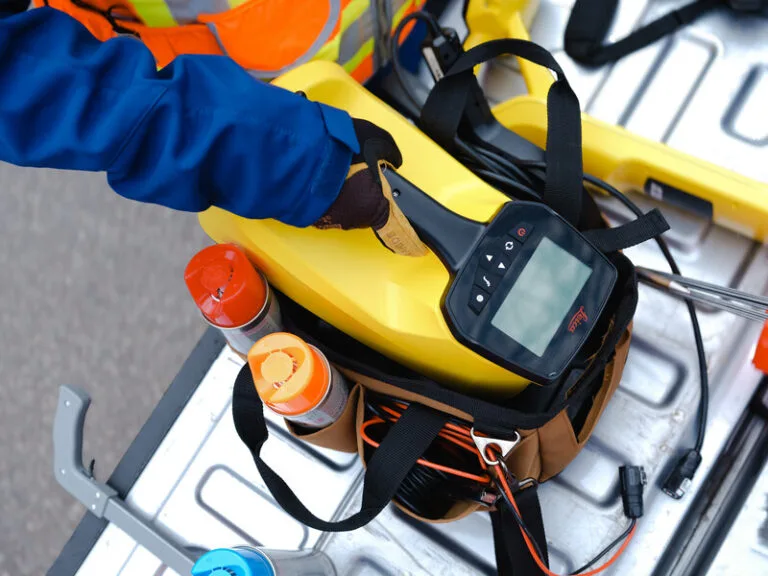
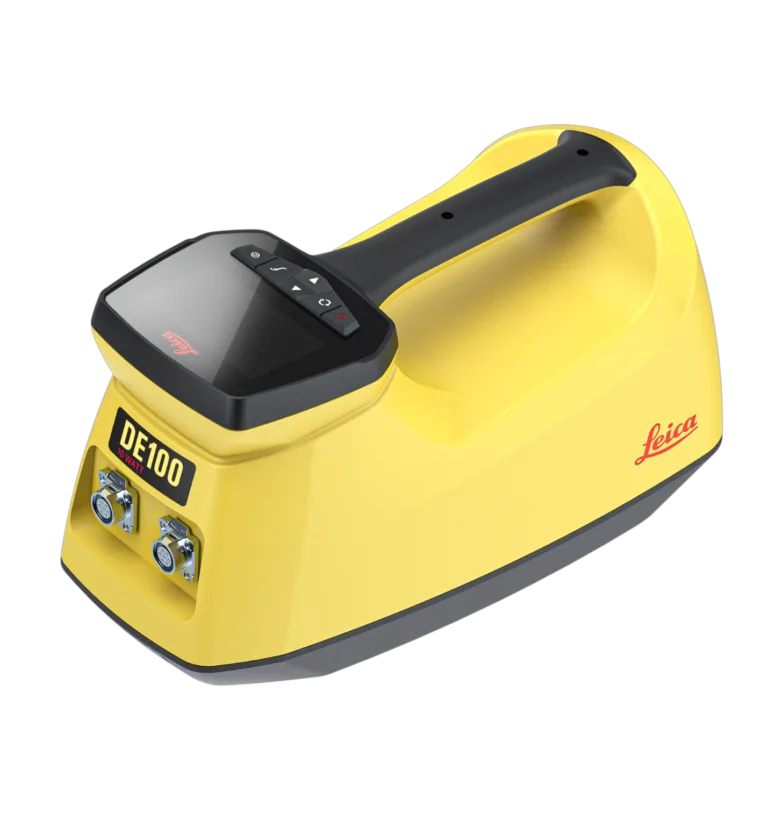
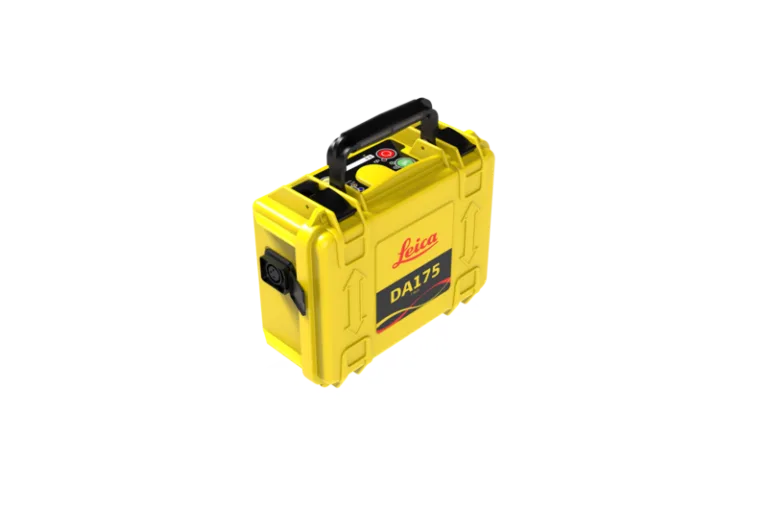
Signal transmitters for actively tracing underground cables, wires and pipes. Select a model compatible with your locator.
Showing all 2 results
Choose a locator for the utility and working method. Compare Leica DD100 with DT100, transmitters, sondes and the equipment supplied in kits.
A sonde locates a point, an active rod helps trace a route, and ordinary fibreglass pushes a sonde. Select equipment for pipe access and conditions.
A transmitter excites a signal; a suitable receiver is needed to locate it. System selection includes common frequencies and approved accessories. A transmitter is not a standalone locator showing a utility route.
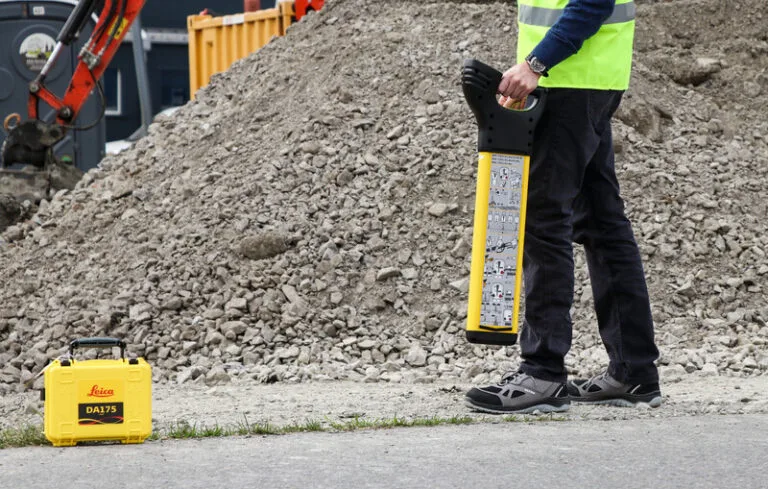
A shared brand does not establish complete interchangeability. Compare frequencies, signal-application methods and compatibility with the receiver and clamp. In the shop, DA175 is paired with DD100 and DE100 with DT100; other configurations require a separate check.
Power can depend on frequency and the power supply. The method also depends on selective excitation, the utility and coupling. Compare a configuration for a particular task rather than equating more watts with more certain conductor identification.
It couples a signal onto an accessible utility in an arrangement supported by the manufacturer. Transmitter compatibility, dimensions and conditions of use must be checked. It does not replace network procedures or checks for signal transfer onto adjacent conductors.
A sonde with its own transmitter emits the signal received by the locator. A separate transmitter serves other active methods, such as a suitable tracing rod. The sewer tracing guide helps select an arrangement for access and the intended result.
We'll come and show you the device in the field.
Southern region — GPR systems, utility locators and rebar scanning.
Kraków
Northern region — Utility locators, GPR systems and laser scanners.
Warsaw