We are part of —
Cable and pipe locator training
Practical equipment skills in the field
Cable and pipe locator training
Learn to choose the right method for the utility, follow the intended signal and recognise the limits of a measurement. The programme covers Leica locators, transmitters, sondes and tracing accessories, from pre-excavation checks to more complex locating tasks.
From a screen reading to a defensible field result
An audible response alone does not tell you whether you are following the intended cable, a neighbouring line or interference. Training combines equipment operation with signal interpretation, route verification and deciding when another method or additional confirmation is needed.
Exercises reflect participants' work: surveying an area before excavation, tracing a particular utility, locating a sonde in a sewer or improving the workflow with an existing kit. A new field crew needs a different starting point from operators reviewing difficult cases from their own experience.
You can take part with your own locator and accessories, including equipment purchased from another supplier. Before agreeing the scope, we check the models, available equipment and tasks that can realistically be practised.
Who the training is for
- Contractor crews preparing excavation and work around buried utilities
- Locator operators, utility maintenance staff and specialist locating teams
- Power, telecommunications, gas, water and wastewater organisations
- Leica locator owners who want to make better use of their equipment
What you will practise
- Choose the locator mode and signal application method for the utility and site conditions.
- Practise following a specific route rather than relying on a single response.
- Distinguish line tracing from locating a sonde inside a pipe or duct.
- Recognise common signs of coupling, interference and inconsistent depth readings.
- Develop a consistent approach to marking routes and recording results with their limitations.
Training programme
Understanding the task and preparing the search
We begin by establishing which utility is being sought, what information is already available and which parts can be accessed.
Participants practise planning the search and combining utility records with site observations and locator results.
- Define the objective: checking an area before work or tracing a selected line.
- Review plans, visible fittings, chambers, connections and likely utility routes.
- Check the function of the receiver, transmitter, leads and accessories before the exercise.
- Plan a search in different directions and record locations requiring further verification.
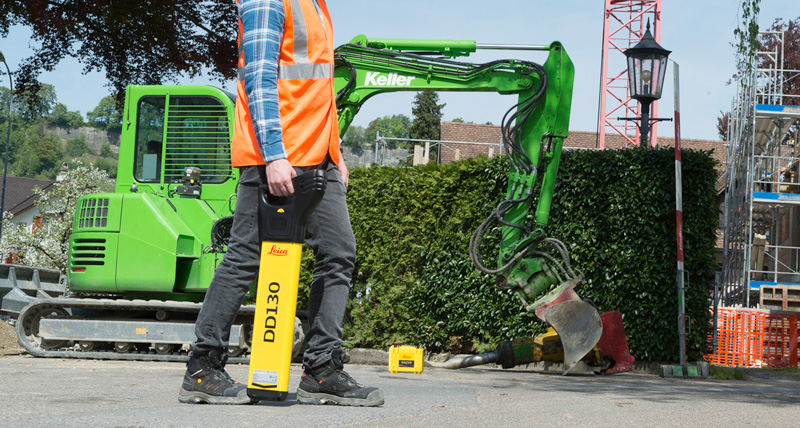
Leica DD120, DD130 and DD175 - working with the DD100 series
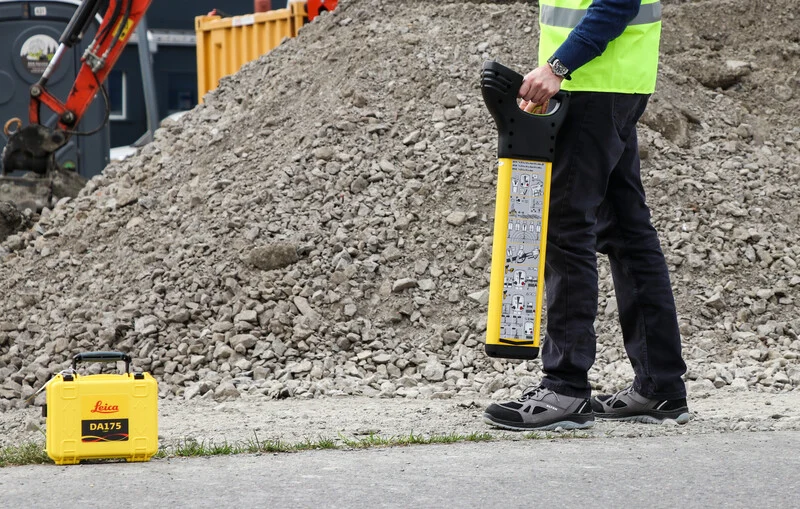
Using DD100 series locators, we demonstrate when passive modes are useful and when a signal from the DA175 transmitter is needed.
Exercises account for the differences between DD120, DD130 and DD175 rather than attributing the same functions to every model.
- Power, Radio and Auto modes, and why a response depends on a detectable signal being present.
- Work with frequencies available on the particular receiver and compatible with the transmitter.
- Establish the route, confirm its direction and check the result by changing the locator position.
- Use depth readings and, where supported by the model, signal-current information and data-recording functions.
Leica DT100 and DE100 - tracing a selected utility with precision
The DT100 programme focuses on choosing frequencies and receiver configurations to suit the measurement conditions.
Participants compare responses in different modes and assess whether the received signal supports continued tracing of the intended utility.
- Select Single Peak, Twin Peak, Null and Sweep modes for the task.
- Use interference analysis to help choose a working frequency.
- Interpret the line direction and compare indications while verifying the route.
- Assess the circuit parameters displayed by the DE100 and what they indicate about tracing-signal quality.
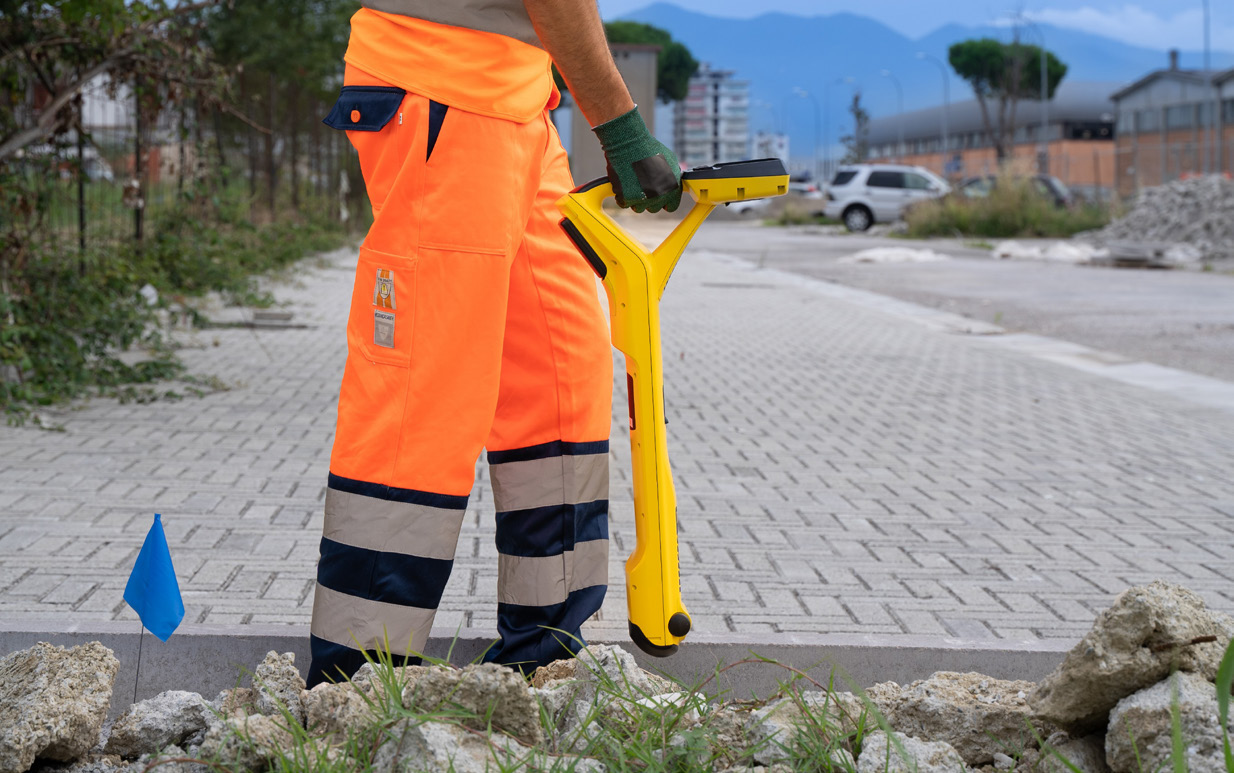
Leica ULTRA - using the functions of your system
Training also covers Leica ULTRA, with the programme adapted to the receiver version, transmitter and available accessories.
We work on interpreting signals in complex surroundings rather than treating each menu function as a separate training objective.
- Choose frequencies and antenna configurations for the locating case.
- Compare responses above a line and recognise when the result needs further checking.
- Use Ambient Interference Measurement (AIM) where the system version provides it.
- Distinguish the functions available on ULTRA and ULTRA Advanced and their accessory requirements.
Signal transmitters: induction, direct connection and a signal clamp
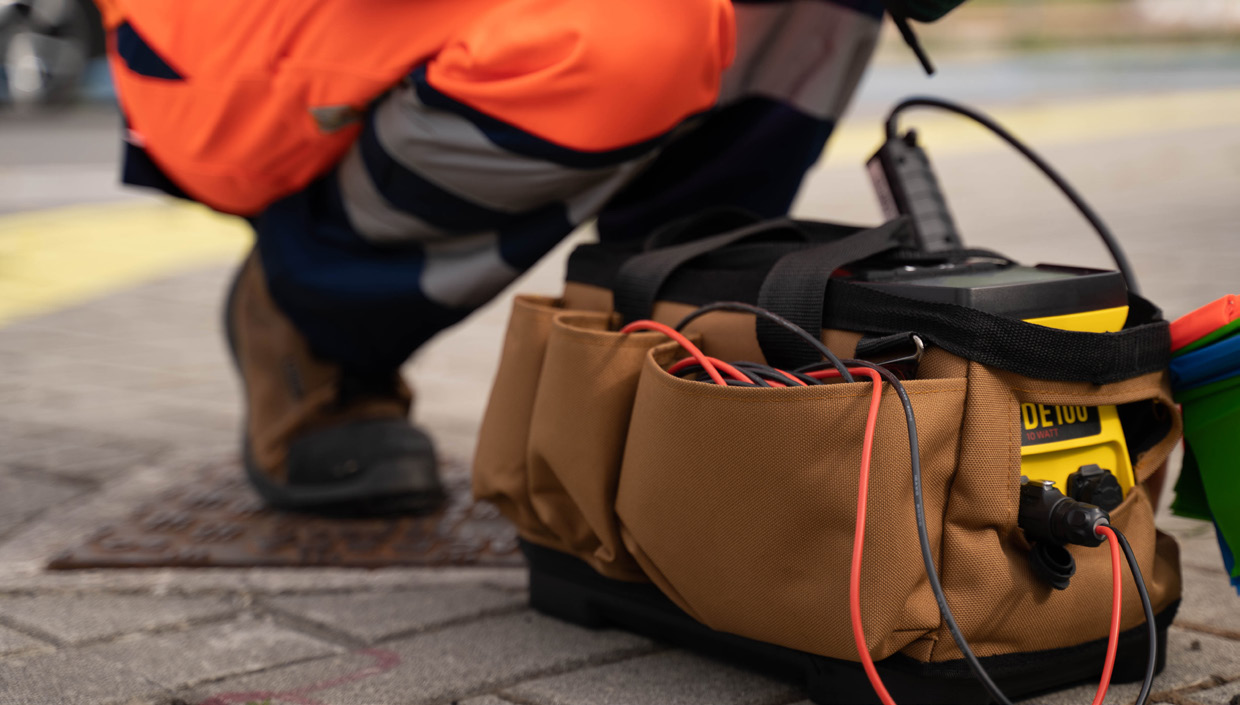
With the DA175 or DE100, we discuss three ways of applying a signal: induction, direct electrical connection and a signal clamp.
We compare response quality and the risk of coupling onto neighbouring lines, taking account of the limitations of the particular kit.
- Choose the method for the available access, measurement objective and permitted working arrangements.
- Distinguish a signal received from a utility from direct transmitter-to-receiver interference.
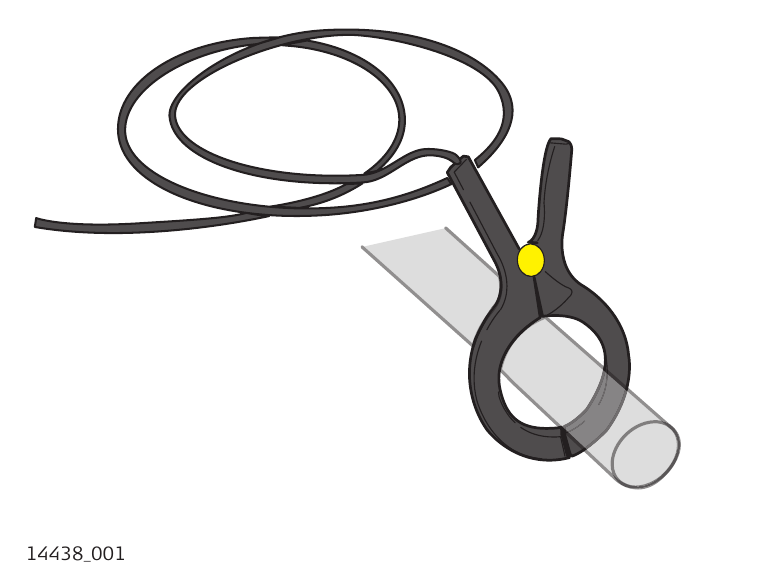
- Select a compatible clamp and assess when it can help isolate the intended line.
- Understand how frequency, power and circuit conditions affect tracing distance and coupling to surrounding utilities.
LV, MV and HV power cables - signals, routes and limitations
We approach locating low-, medium- and high-voltage network cables as a task of identifying routes and evaluating the available signal.
Exercises account for site conditions and the network operator's procedures, and voltage class is never treated as a guarantee that a cable can be detected.
- Why Power mode does not automatically detect every power cable.
- How load, cable arrangement and surroundings influence passive signals.
- Recognise parallel routes, crossings and possible signal transfer between utilities.
- Cross-check indications using the available methods and mark areas where a reliable result was not obtained.
Telecommunications, gas and water - choosing a tracing method
We practise choosing a method for the line material, access to its components and the presence of a tracer wire.
We distinguish tracing a metallic utility or signal-carrying conductor from locating a plastic pipe, which requires appropriate accessories.
- Metallic conductors, screens and tracer wires as possible paths for a tracing signal.
- Electromagnetic locator limitations with optical fibre, plastic pipes and discontinuous conductive elements.
- Choose induction, a clamp or a permitted direct connection for the particular case.
- Assess route reliability at branches, close parallel runs and utility crossings.
Mini, Midi and Maxi sondes in sewers, drains and collector pipelines
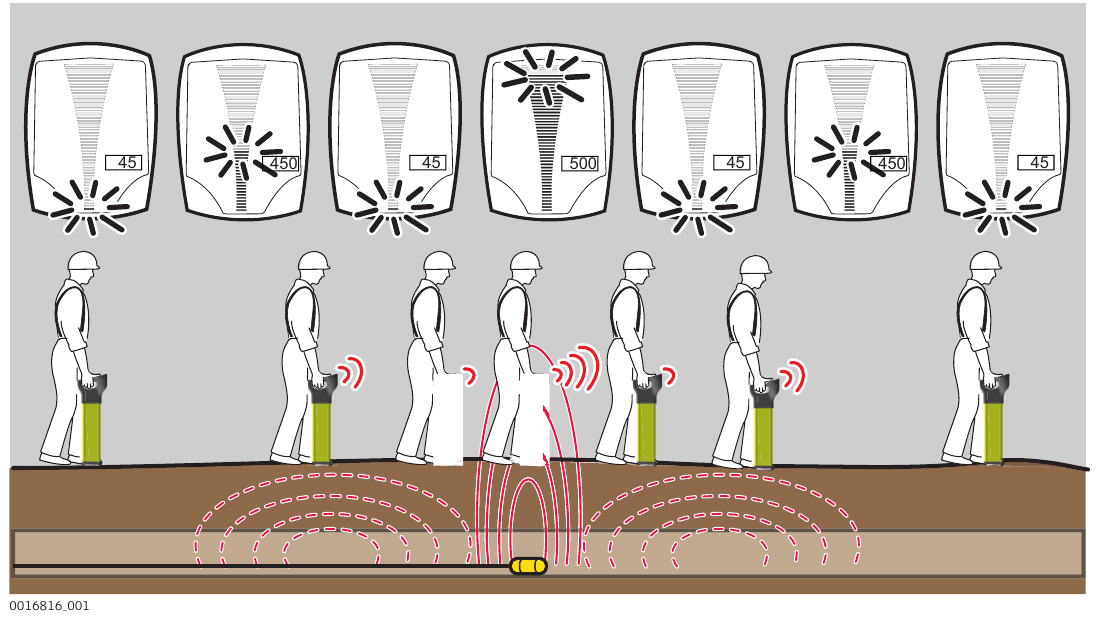
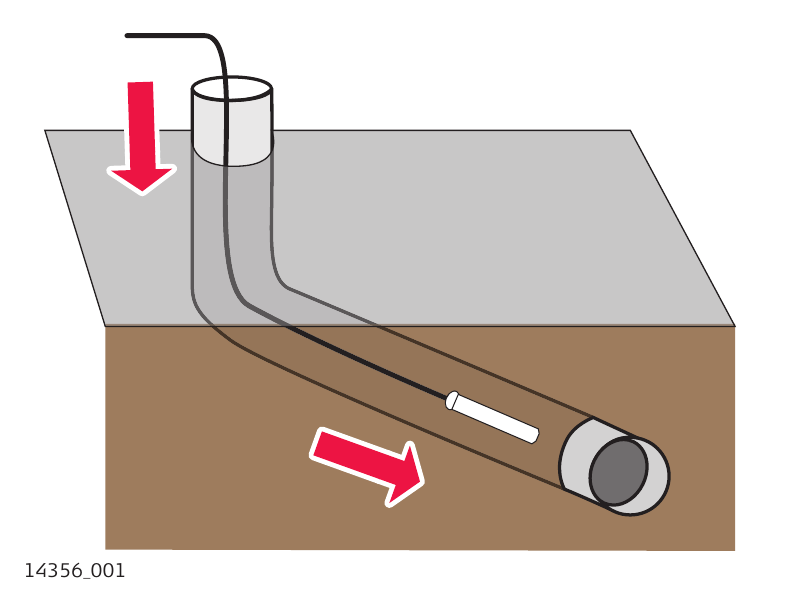
Participants learn to locate a sonde moving through a pipe and use successive positions to establish the sewer or drain route.
For large, deeply buried collector pipelines, including combined sewers, we discuss sonde selection, measurement geometry and limitations that can prevent a reliable indication.
- Choose a Mini, Midi or Maxi sonde for the available bore, rodding conditions and frequencies supported by the locator.
- Distinguish the main response, ghost signals and null points characteristic of a sonde.
- Understand that depth is measured to the sonde, not automatically to the crown or invert of the pipe.
- Mark successive route points and where the sonde stops without treating the result as a condition survey of the entire pipe.
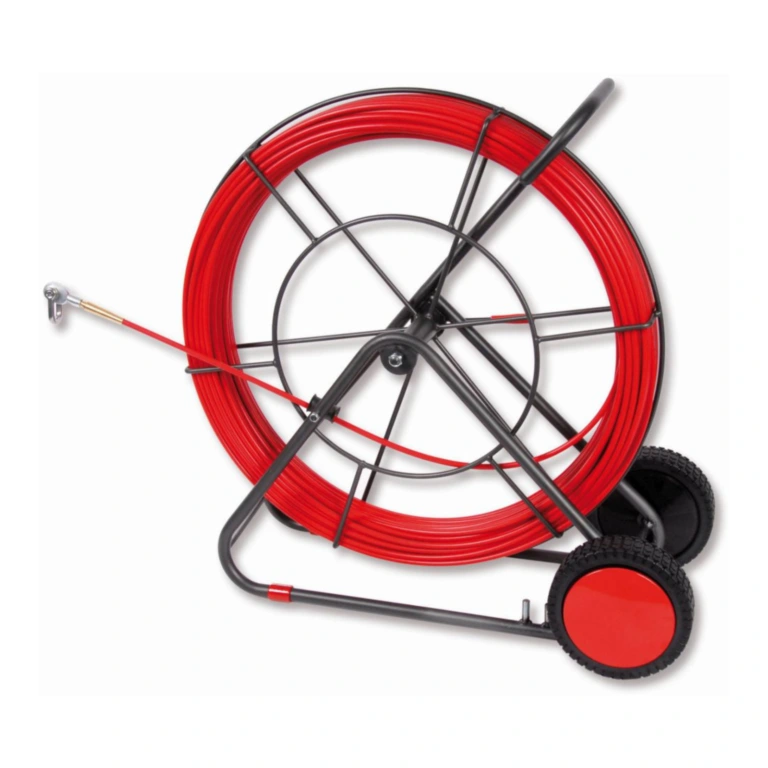
TraceRod 50/80 and 9 mm / 80 m fibreglass rods
We compare the conductive TraceRod 50 or TraceRod 80 with a conventional fibreglass rod used to push a sonde.
The exercise shows where the signal comes from in each arrangement and why rod length is not detection depth.
- TraceRod line and end-point modes, working with a suitable transmitter and receiver.
- Guide a sonde with the 9 mm / 80 m rod and check that its connection matches the particular sonde.
- Assess how access, bends and obstructions affect whether the exercise can be carried out.
- Distinguish a mechanical push rod from an accessory that carries a tracing signal along the route.
Fault finding versus route tracing - what the result establishes
We teach the distinction between establishing a cable route and pinpointing an earth-return insulation fault.
A demonstration of this fault-finding method is planned only for a verified ULTRA Advanced configuration with a suitable transmitter and Fault Finder accessories, and a signal loss or change alone is not a fault diagnosis.
- Separate the question of where a line runs from where and how it is damaged.
- Understand the scope of earth-return insulation fault detection and its limitations for other fault types.
- Confirm the system version, transmitter compatibility, Fault Finder probe and required configuration before agreeing a demonstration.
- Record indications, repeat checks and uncertain sections without drawing conclusions unsupported by the measurement.
A programme matched to your locator and accessories
Before training, we establish which devices participants use and which functions their configuration supports. This keeps exercises focused on real tasks rather than on features of a model the team does not own.
You do not need to buy a new kit to discuss training. If the existing receiver, transmitter or accessory limits the intended application, we explain the difference when agreeing the programme.
DD100 series locators
Operation and exercises reflect the functions of the particular model.
| Equipment / software | Training focus | Shop |
|---|---|---|
| Leica DD120 | Operation and exercises reflect the functions of the particular model. | View in the shop |
| Leica DD130 | Operation and exercises reflect the functions of the particular model. | View in the shop |
| Leica DD175 | Operation and exercises reflect the functions of the particular model. | View in the shop |
DT100 precision locating system
Choosing modes and signals, and interpreting responses in practice.
| Equipment / software | Training focus | Shop |
|---|---|---|
| Leica DT100 | Choosing modes and signals, and interpreting responses in practice. | View in the shop |
| Leica DE100 transmitter | Choosing modes and signals, and interpreting responses in practice. | View in the shop |
Leica ULTRA
Scope depends on the receiver version, transmitter and available accessories.
| Equipment / software | Training focus | Shop |
|---|---|---|
| Leica ULTRA | Scope depends on the receiver version, transmitter and available accessories. | Scope to be agreed |
| Leica ULTRA Advanced | Scope depends on the receiver version, transmitter and available accessories. | Scope to be agreed |
Transmitters and signal application
Induction, direct electrical connection and a clamp as distinct working methods.
| Equipment / software | Training focus | Shop |
|---|---|---|
| Leica DA175 | Induction, direct electrical connection and a clamp as distinct working methods. | View in the shop |
| Leica DE100 | Induction, direct electrical connection and a clamp as distinct working methods. | View in the shop |
| Compatible signal clamps | Induction, direct electrical connection and a clamp as distinct working methods. | Scope to be agreed |
| Direct connection leads | Induction, direct electrical connection and a clamp as distinct working methods. | Scope to be agreed |
Non-metallic pipes and sewers
Before the exercise, we confirm compatible frequencies, connections and conditions for introducing the accessories.
| Equipment / software | Training focus | Shop |
|---|---|---|
| Mini sonde | Before the exercise, we confirm compatible frequencies, connections and conditions for introducing the accessories. | View in the shop |
| Midi sonde | Before the exercise, we confirm compatible frequencies, connections and conditions for introducing the accessories. | View in the shop |
| Maxi sonde | Before the exercise, we confirm compatible frequencies, connections and conditions for introducing the accessories. | View in the shop |
| TraceRod 50 | Before the exercise, we confirm compatible frequencies, connections and conditions for introducing the accessories. | View in the shop |
| TraceRod 80 | Before the exercise, we confirm compatible frequencies, connections and conditions for introducing the accessories. | View in the shop |
| 9 mm / 80 m fibreglass rod | Before the exercise, we confirm compatible frequencies, connections and conditions for introducing the accessories. | View in the shop |
Practical applications
Excavation and utility checks
Plan a site search, verify indications and mark detected routes before further work.
LV, MV and HV power networks
Identify cable routes, passive-signal limitations and conditions for using active methods.
Telecommunications and gas
Select a tracing method for cables, conductive components and tracer wires associated with non-metallic pipes.
Water supply, sewers and drainage
Choose a method for the utility material and locate a sonde introduced into an accessible pipe or duct.
Large, deeply buried collector pipelines
Assess the sonde and receiver selection, measurement geometry and when conditions do not permit the position to be confirmed.
Network maintenance and fault verification
Separate route tracing from investigating earth-return insulation faults, with scope determined by the available system and accessories.
How we plan and deliver the programme
- Describe the team's tasks
Tell us the utility types, typical difficulties and operator experience. Concrete examples help, such as congested sites, difficulty identifying the intended cable or locating a sonde in a sewer.
- Confirm the equipment
Send a list of locator, transmitter and accessory models. We will establish which modules can be delivered with the existing kit, including equipment purchased outside GeoScanners.
- Agree the location and practice cases
We select a site and available examples to suit the programme. Before training, access and permitted working conditions are confirmed with the person responsible for the utilities.
- Practise the measurement and review the result
Equipment operation is combined with repeat checks, route marking and discussion of limitations. We finish by organising a workflow for the tasks the team encounters in its work.
A scope matched to what the measurement can establish
- No response does not prove that no utility is present. We teach how to assess a result alongside other site information and the planned work.
- We do not promise a fixed detection depth. Signal, equipment configuration, utility geometry and surroundings all affect the result.
- Depth may refer to the centre of a line or the sonde position rather than the outside surface of a pipe.
- Practical work around power and gas networks is agreed with the person responsible for the site, following equipment instructions and the network operator's procedures.
- Fault-finding functions depend on a verified system version and configuration; they are not a feature shared by all locators.
Training questions
Can I book training if I bought my locator elsewhere?
Yes. Training can cover existing equipment regardless of where it was purchased. Before agreeing the programme, we need the model names and a list of transmitters and accessories so that the practical scope can be confirmed.
Is the programme suitable for beginners and experienced operators?
Yes, with a different starting point. Beginners work on modes, search methods and interpreting indications, while an experienced team can focus on interference, parallel utilities and cases from its own work.
Does the training cover LV, MV and HV cables?
The programme can cover establishing these cable routes and assessing the available signal. Exercise conditions are agreed with the person responsible for the installation; training does not provide instructions for connecting to energised circuits.
Can a locator find a plastic pipe or a deep collector pipeline?
A non-metallic pipe wall alone does not provide a signal for an electromagnetic locator. We select a method using a sonde, tracer wire or suitable conductive rod where the utility conditions permit it; detection feasibility and depth reliability must be assessed for the particular case.
How does TraceRod differ from a fibreglass sonde push rod?
TraceRod works with a transmitter and supports line tracing or locating its end point. A conventional 9 mm / 80 m fibreglass rod is treated as a guide for a compatible sonde: we do not assume that the rod itself carries a tracing signal or that its length defines detection depth.
Does training include finding cable faults?
We first distinguish tracing a line from locating an earth-return insulation fault. Demonstrating the latter requires a verified ULTRA Advanced system with a suitable transmitter and Fault Finder accessories; we do not present a standard DD or DT100 kit as an equivalent system or as a tool for finding every type of fault.
Training and equipment selection for the same task
If you are putting a kit together, start with the utility type and how it can be accessed for measurement. We can help compare a receiver-only option, a transmitter kit and the accessories required, so that the training programme reflects what the team will use afterwards.
The shop offers locators, transmitters, DD100 and DT100 series kits, and pipe-tracing accessories. Equipment purchase and training can be discussed together, but training does not require a prior purchase from GeoScanners.
- Cable and pipe locators
- Standalone locators
- Transmitters
- Kits - DD100 series
- Kits - DT100 series
- Point sondes
- Line tracers
- Locator accessories
- Leica DD + DA175 kits
- Leica DT100 + DE100 kits
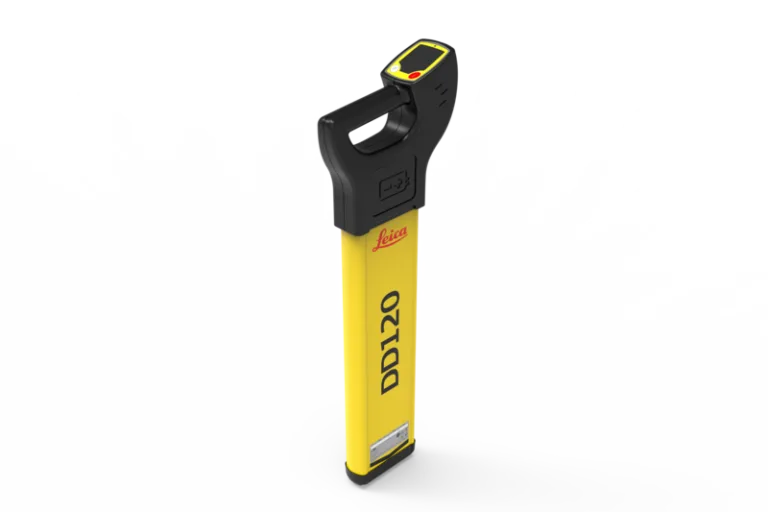
Leica DD120 locator
View in the shop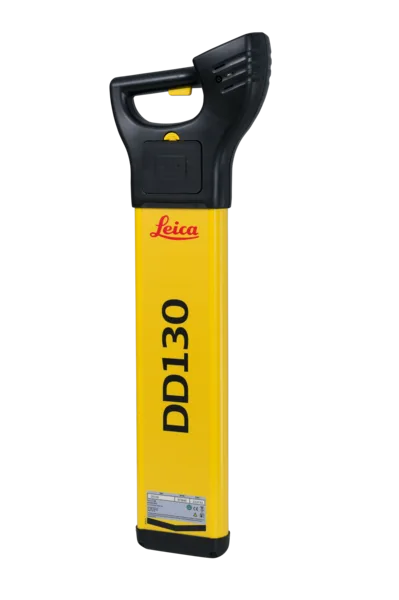
Leica DD130 locator
View in the shop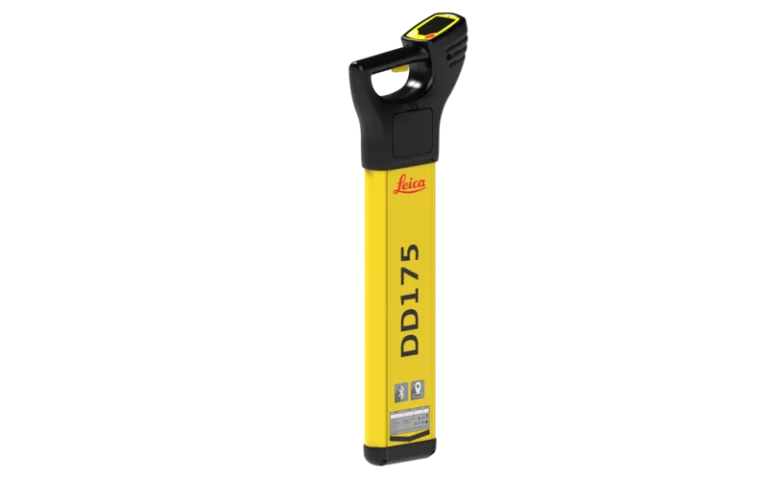
Leica DD175 locator
View in the shop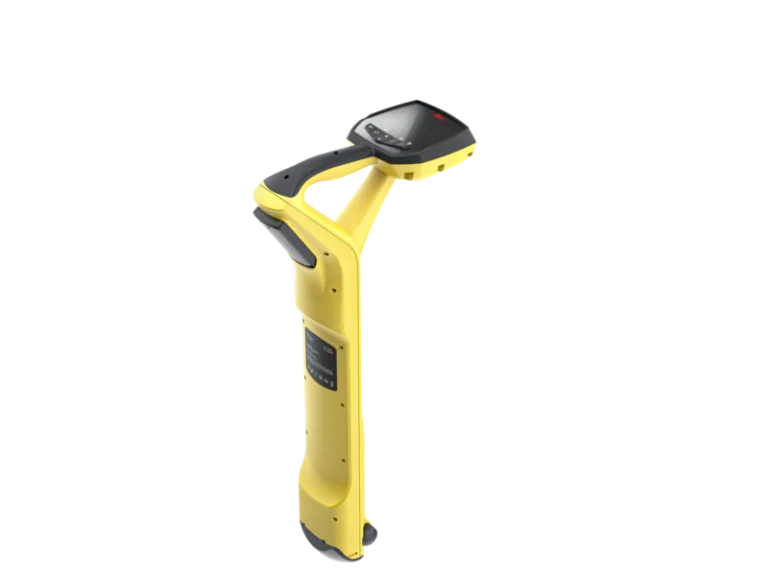
Leica DT100 locator
View in the shop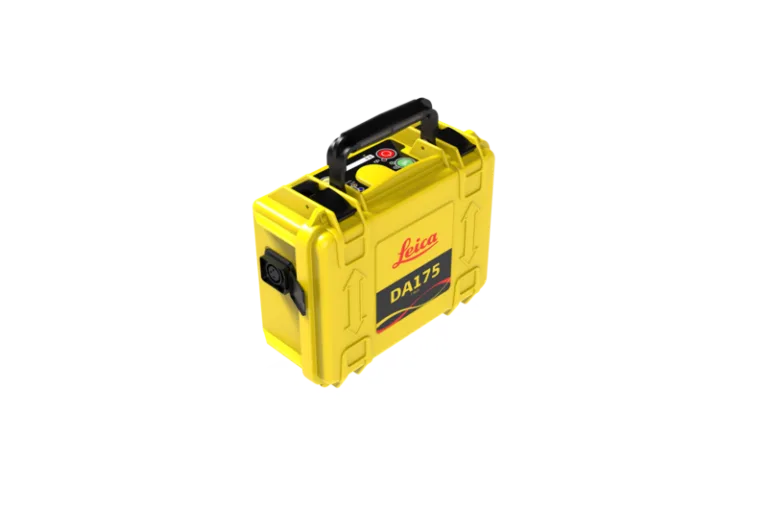
Leica DA175 transmitter
View in the shop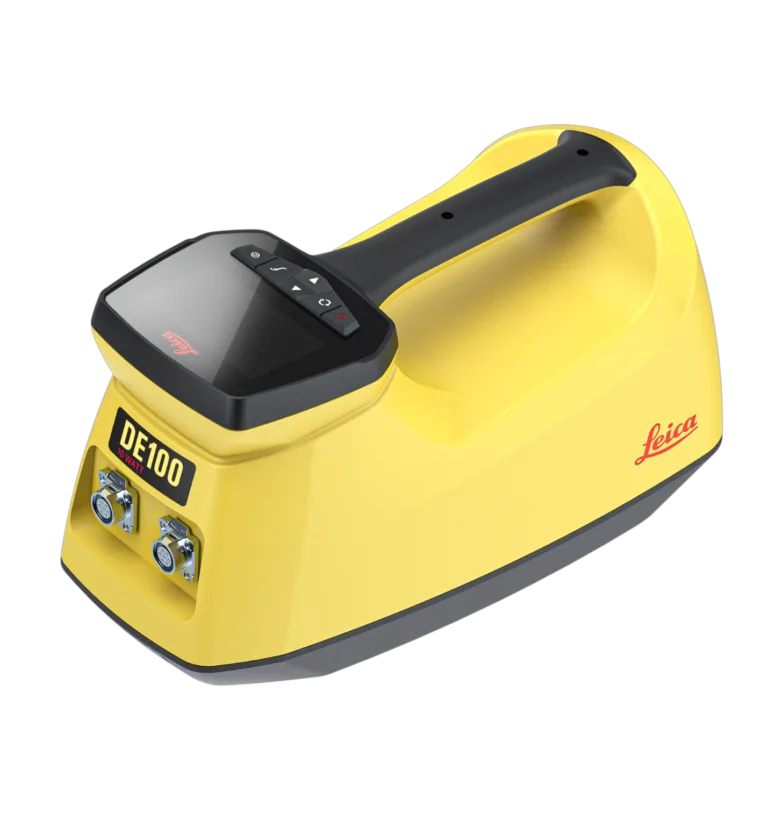
Leica DE100 transmitter
View in the shop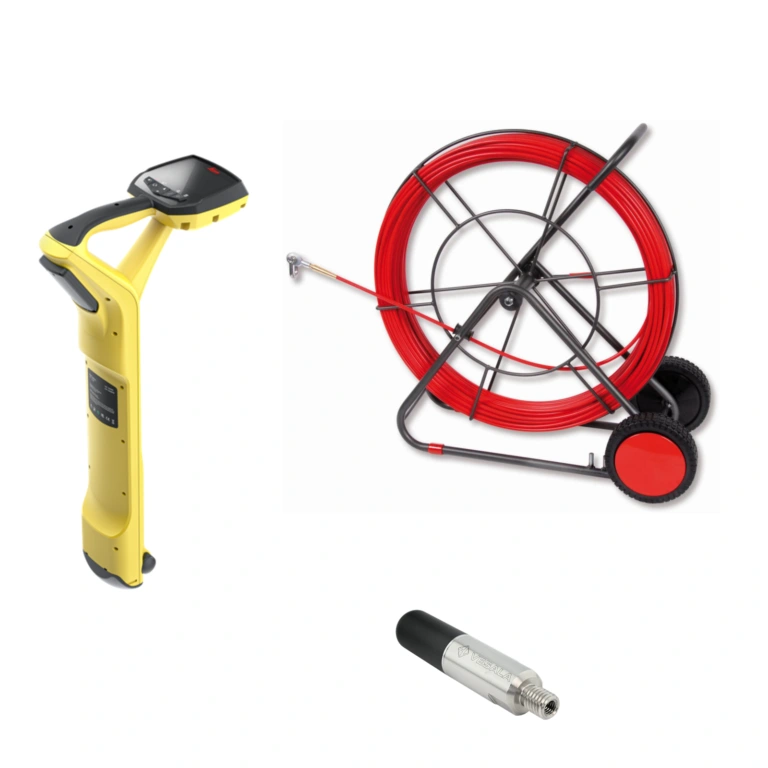
Sewer and drainage tracing kit
View in the shop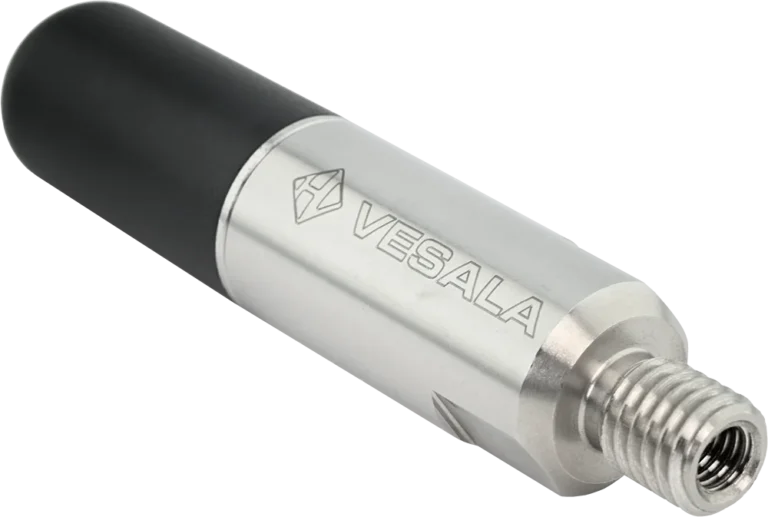
Mini sonde
View in the shop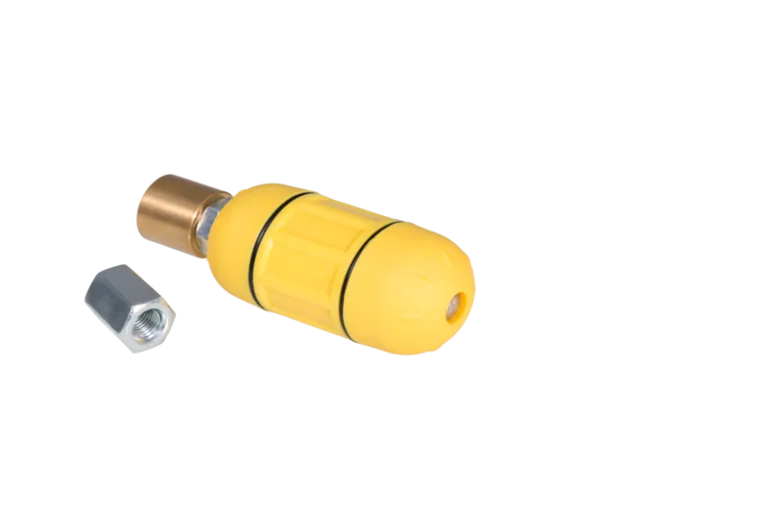
Midi sonde
View in the shop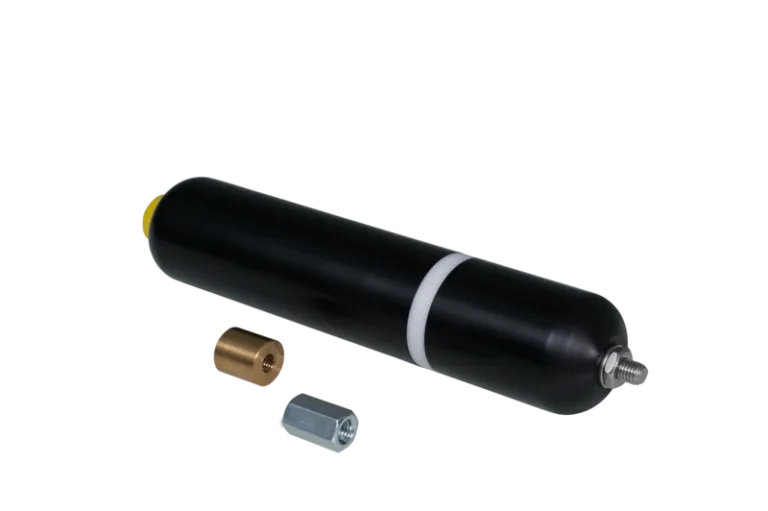
Maxi sonde
View in the shop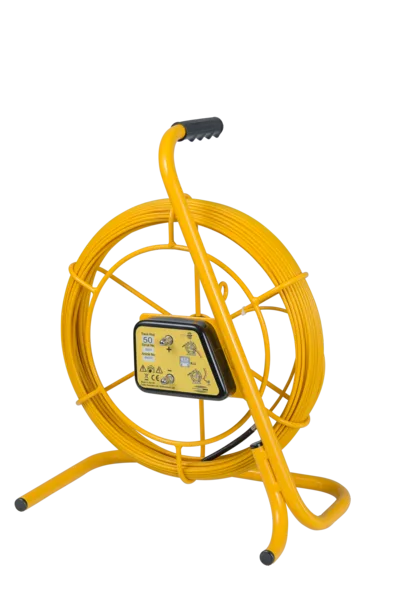
TraceRod 50
View in the shop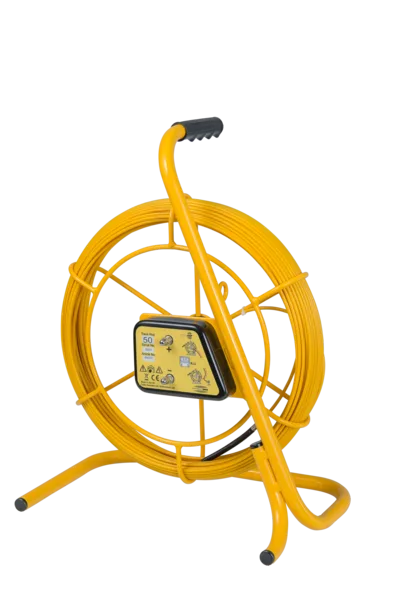
TraceRod 80
View in the shop