We are part of —
 🔍
 🔍
 🔍
 🔍
Sewer and drainage tracing kit
6 550 €Net price: 5 325 €
Net price: 5 325 €
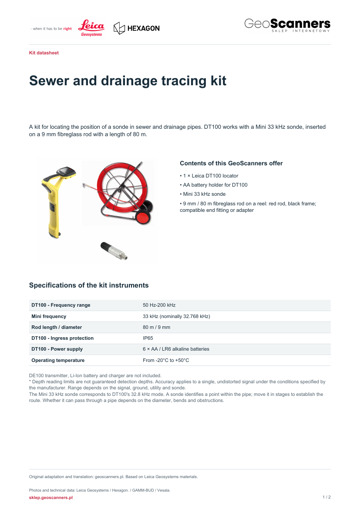
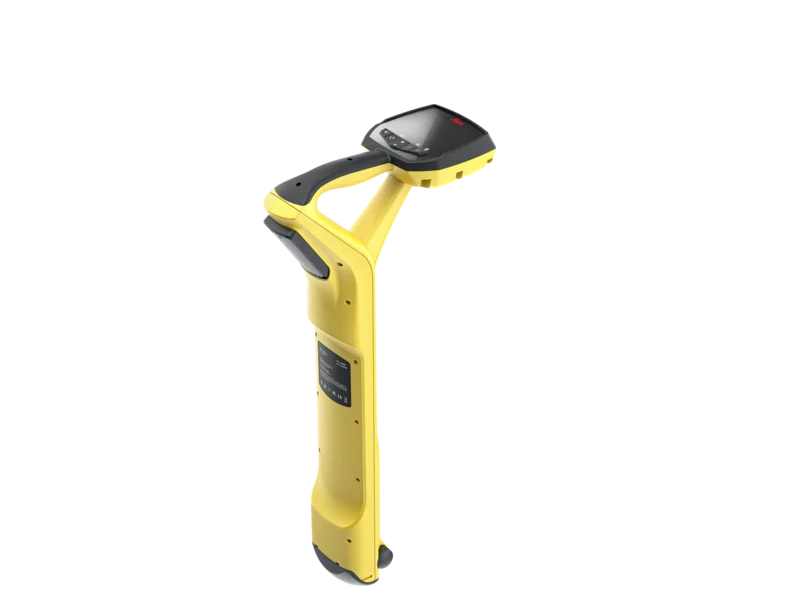
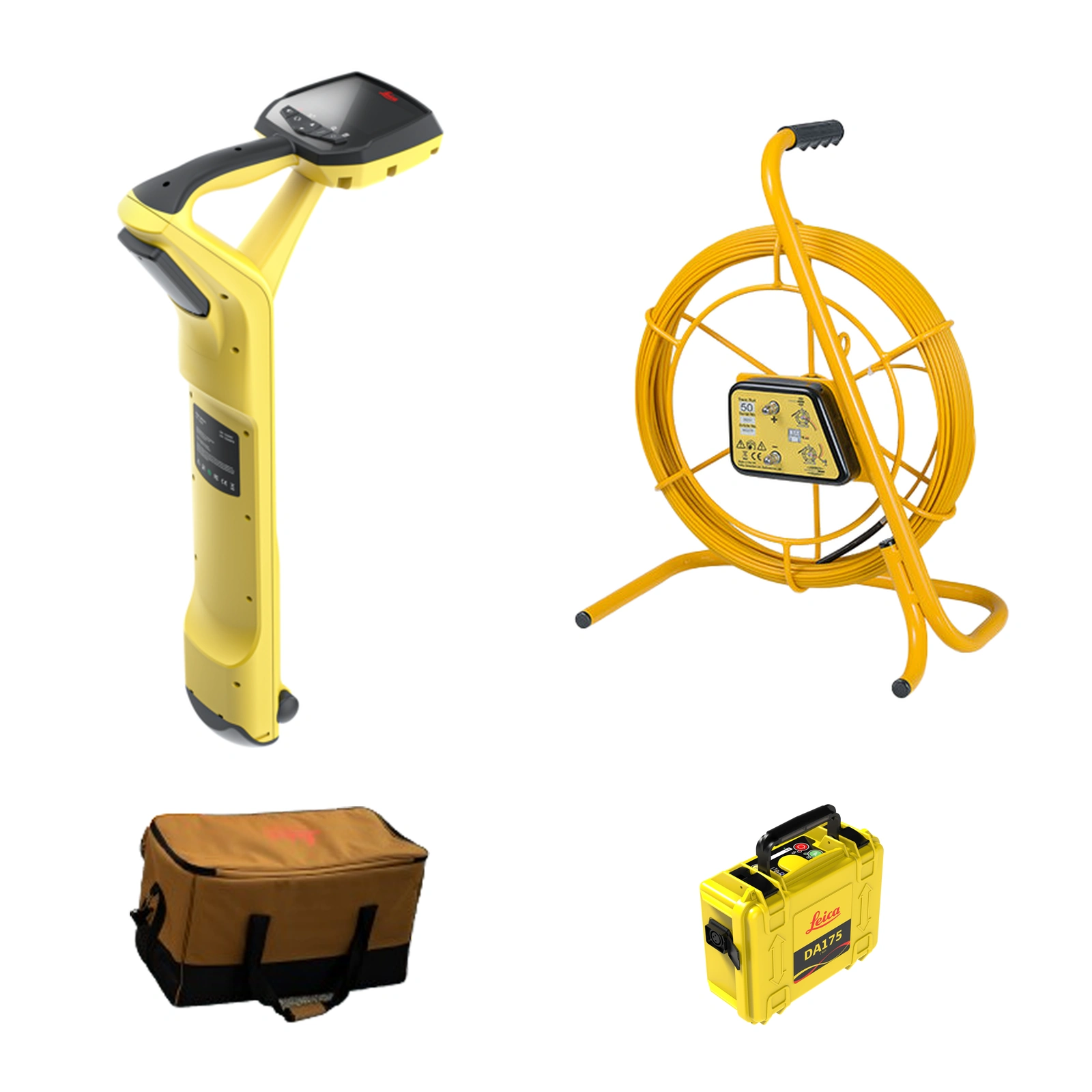
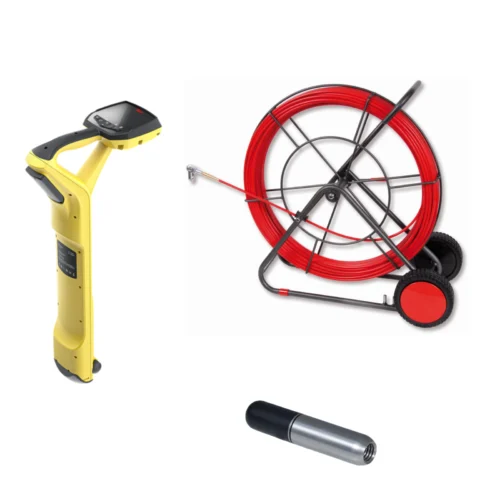
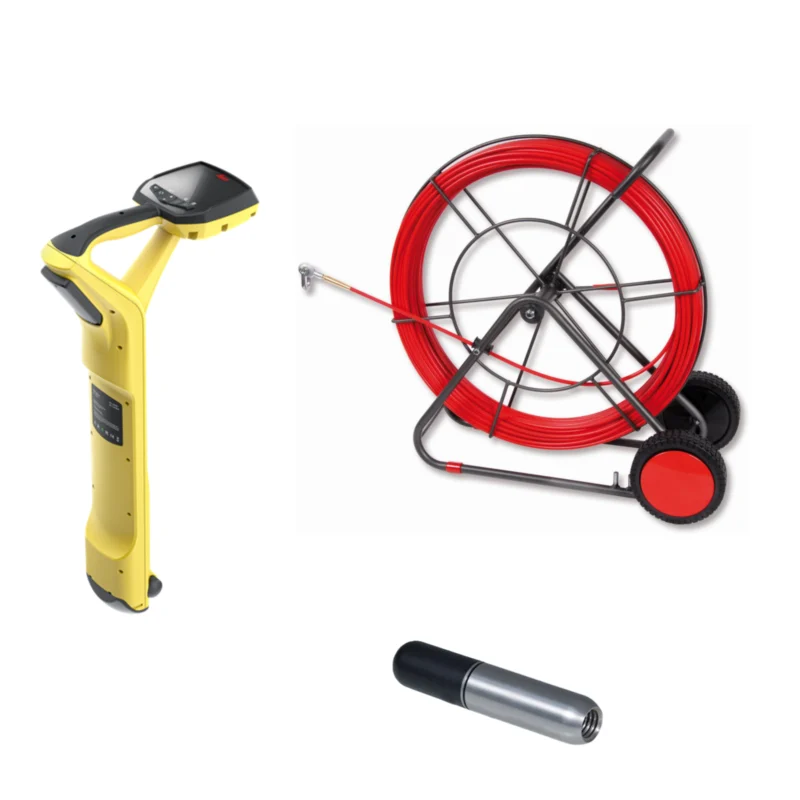
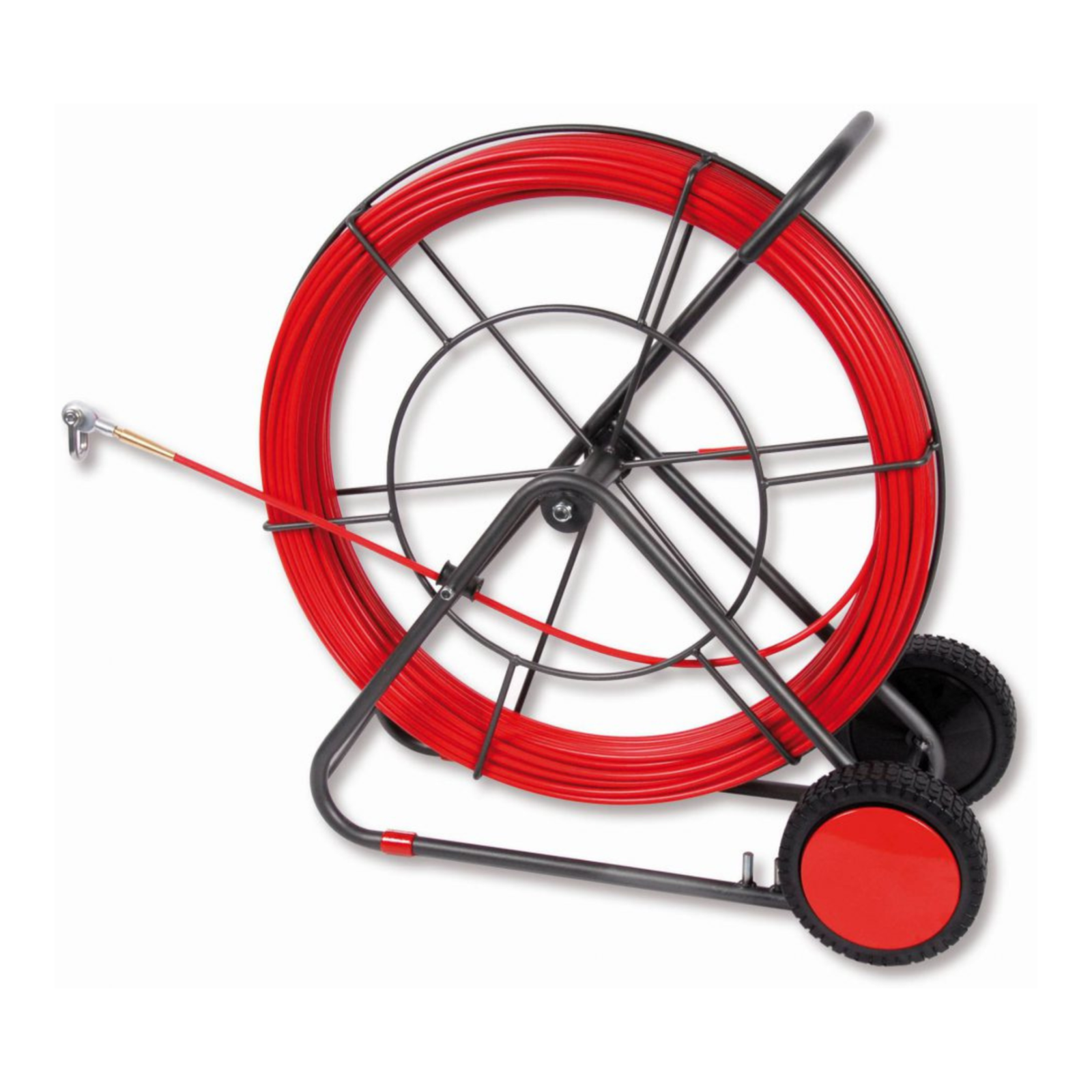
Leica DT100 with an AA battery holder, a Mini 33 kHz sonde and a 9 mm / 80 m fibreglass push rod on a reel. A complete kit for tracing the position of a sonde in sewer and drainage pipes.
View the brochure and technical data (PDF)
Free courier delivery in Poland We deliver locators and accessories by courier within Poland at no extra charge. International delivery is agreed individually before ordering.
Ready to buy this product?
Why choose us?
- Over a decade of experience
- Professional training
- We work throughout the EU
- Professional after-sales support
- We offer premium products
Locate the pipe route and the point where the sonde stops
The sewer and drainage kit locates a sonde inserted into an accessible pipe. The DT100 receives its signal, while a 9 mm / 80 m fibreglass push rod moves the Mini sonde along the duct. This approach suits plastic pipes and other non-metallic services where a transmitter cannot be connected to the pipe wall itself.
Point-by-point tracing from the surface
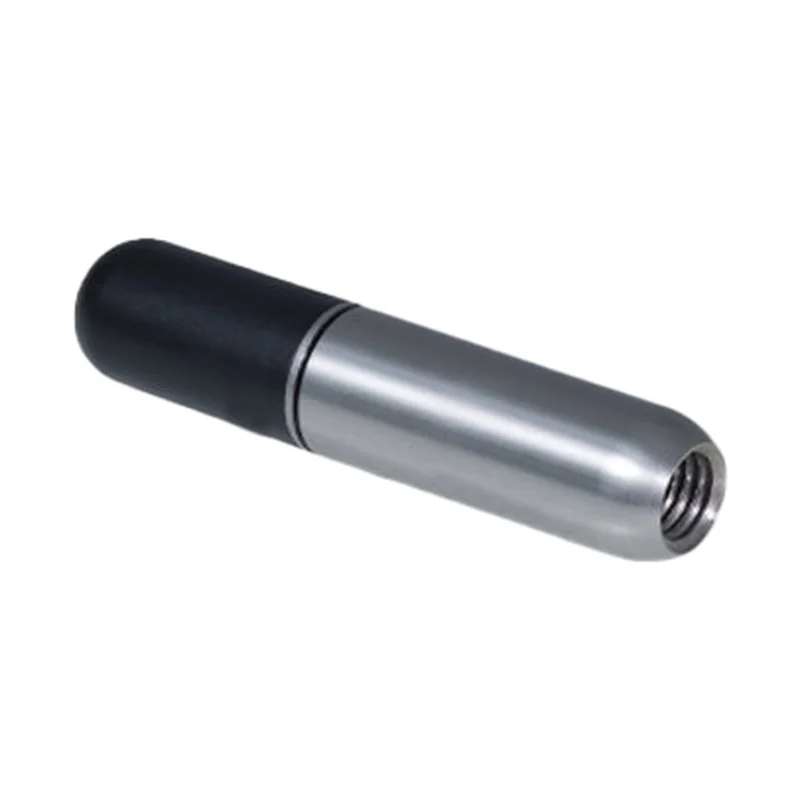
The sonde generates its own signal in the 33 kHz band. The operator locates successive positions with the DT100 and marks them at the surface. If the sonde stops at an obstruction, its stopping point and estimated depth can be established. This is a locating system rather than an inspection camera: it identifies position, not an image of the pipe interior.
An 80 m push rod on reel — insertion and transport
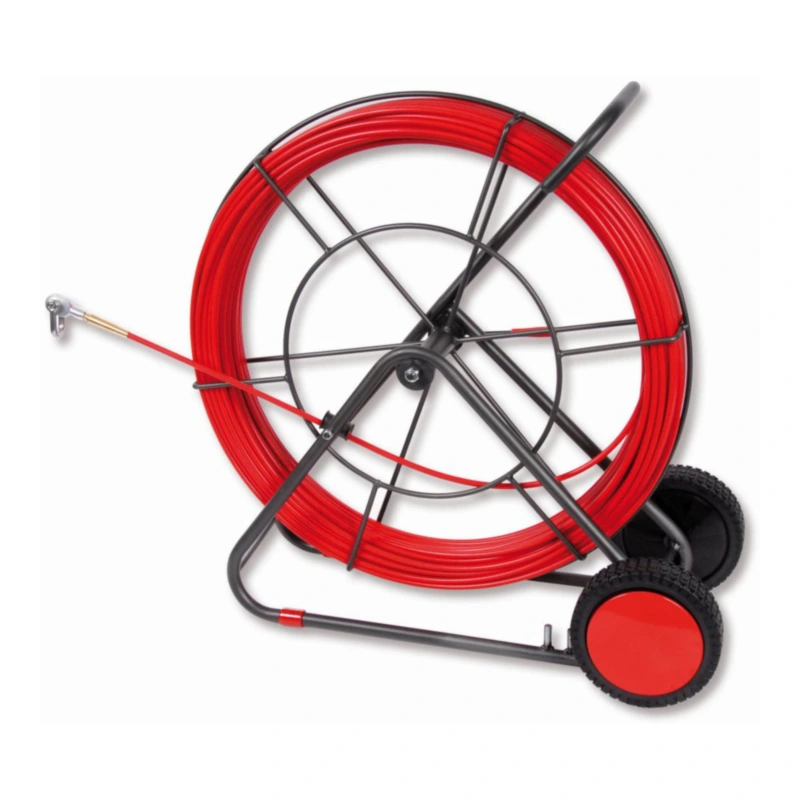
The red 9 mm rod is mounted on a black frame and has a connection suitable for the Mini sonde. The reel helps pay out and rewind the rod during work. The 80 m value is rod length, not detection depth. Passing bends depends on pipe diameter and geometry; locating range depends on the signal and site conditions.
DT100 with an AA holder — no transmitter in this kit
The tracing signal comes from the sonde, so the DE100 is not needed for this method and is not supplied. The receiver has a holder for 6 AA cells. Li-Ion batteries, chargers and a signal clamp are not included. This kit targets sewer and drainage work and the tracing of accessible protective ducts.
Equipment supplied in this kit
- Leica DT100 locator — 1 unit
- AA battery holder for DT100 — 1 unit
- Leica Mini Sonde 33 kHz — 1 unit
- 9 mm / 80 m fibreglass push rod on a reel with frame and sonde end fitting
DT100 — locator specifications
| Frequency range | 50 Hz – 200 kHz |
|---|---|
| Dynamic range | 117 dB |
| Locating accuracy | ±5% of depth |
| Depth measurement: automatic / pushbutton | up to 6 m / up to 11 m, subject to conditions and signal |
| Depth measurement accuracy up to 3 m | ±5%: line, sonde and passive mode |
| Receiver modes | Single Peak, Twin, Null and Sweep modes |
| Frequency analyser | Frequency selection based on environmental interference |
| Locator connectivity | Bluetooth Low Energy (BLE) |
| Power options supplied in the kit | Holder for 6 × AA cells |
| Continuous operating time stated by manufacturer | up to 5 h with AA alkaline cells |
| Instrument ingress protection | IP65 |
| Operating temperature | −20°C … +50°C |
| Instrument dimensions (H × W × D) | 68 × 14.7 × 32.6 cm |
| Instrument weight with batteries | 2.1 kg |
Sonde and push rod — drainage kit specifications
| Sonde in the kit | Leica Mini Sonde 33 (850288) |
|---|---|
| Sonde signal frequency | 33 kHz |
| Sonde diameter | 18 mm |
| Sonde connection | M12 female thread |
| Sonde power supply | 1 × 3.6 V battery |
| Fibreglass rod diameter | 9 mm |
| Rod length on reel | 80 m |
| Rod-to-sonde connection | End fitting suitable for the Mini sonde |
| Rod and stand colours | Red rod, black frame |
| Pipe locating method | Following successive sonde positions from the surface |
Limits and operating times are manufacturer ratings, subject to conditions and settings. Maximum depth readout is not a guaranteed detection depth for every utility.
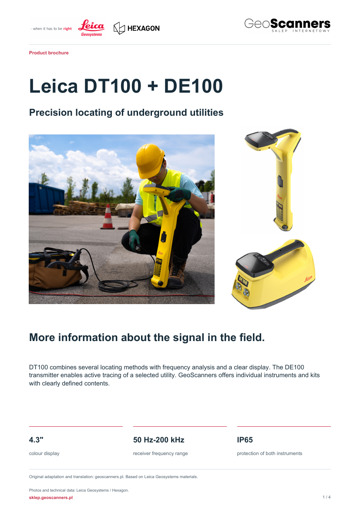
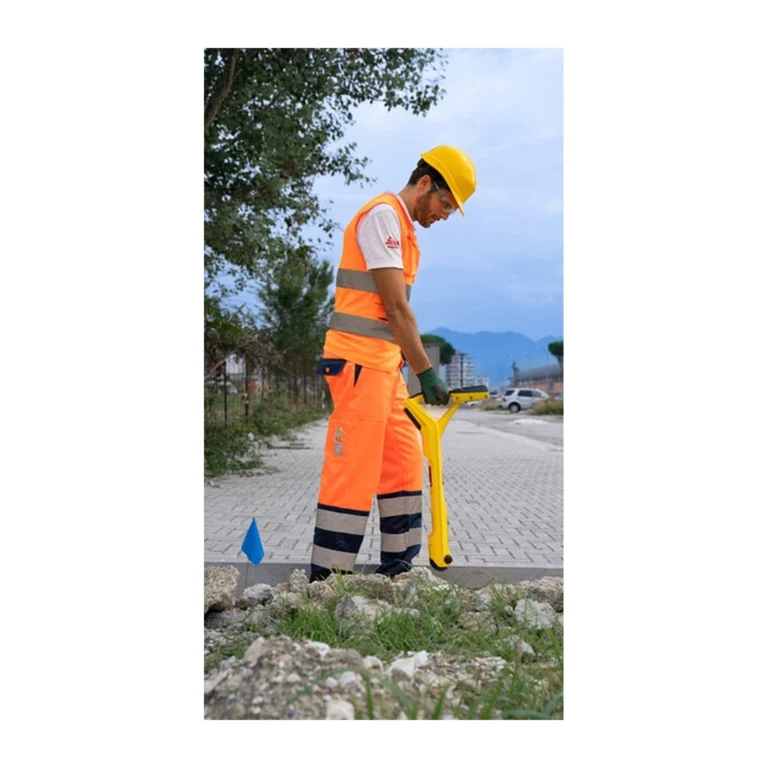
The instruments in field use
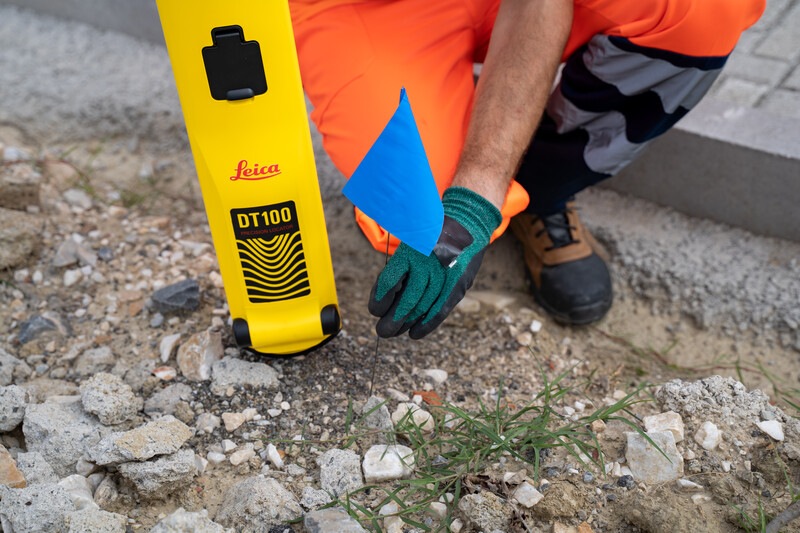
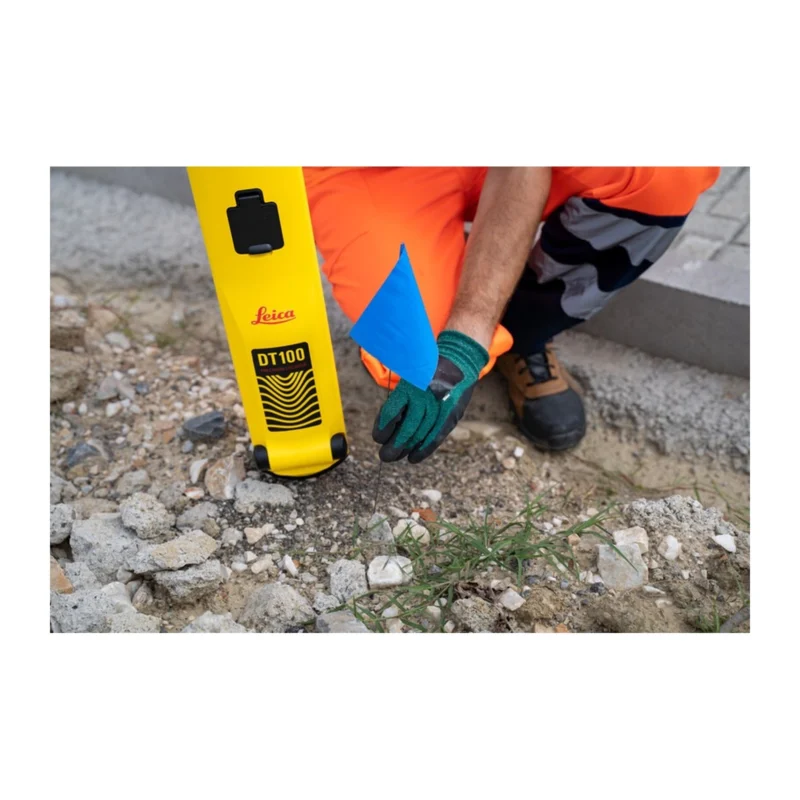
Instrument application photographs. Any additional equipment shown in field use does not expand this offer; the supplied kit is listed above.
Choosing and using the kit
Is a DE100 transmitter needed?
Not for tracing the included sonde: it generates its own signal, received by the DT100 in sonde mode. A transmitter is not supplied in this kit.
Does 80 m mean detection depth?
No. It is the rod length on the reel. Depth and locating quality depend on conditions, pipe material and sonde signal strength.
Compare related products
Leica DT100 · 9 mm / 80 m fibreglass rod for sondes · Mini sonde
Help choosing equipment
- How to choose sewer and drainage tracing equipment: sonde, fibreglass rod or TraceRod
A sonde locates a point, an active rod helps trace a route, and ordinary fibreglass pushes a sonde. Select equipment for pipe access and conditions.
Compare three pipe tracing kits
Match the locating method to the task: a separate sonde identifies successive points, while an active Trace Rod supports line tracing. Both types of reeled equipment here are 80 m long.
| Comparison | DD175 + Mini + fibreglass rod | DT100 + Mini + fibreglass rod | DT100 + DA175 + Trace Rod |
|---|---|---|---|
| Working method | Point locating a separate Mini Sonde | Point locating a separate Mini Sonde | Line tracing an active Trace Rod |
| Receiver | Leica DD175 | Leica DT100 | Leica DT100 |
| Equipment inside the pipe | Mini Sonde 33 + 9 mm / 80 m fibreglass rod | Mini Sonde 33 + 9 mm / 80 m fibreglass rod | 4.5 mm / 80 m Trace Rod, energised by DA175 1 W |
| Configuration profile | Lowest entry cost of these three kits; more affordable receiver and robust 9 mm rod | Higher-class DT100 receiver with a separate sonde for checking successive points | Precision DT100 and economical DA175 for line tracing Trace Rod; no separate Mini Sonde |
| Typical tasks | Sewers, drainage and accessible industrial pipe runs | Sewers and drainage with advanced receiver interpretation tools | Accessible connections and smaller PE, PVC or vitrified clay pipes |
| Gross price | 3 430 € | 6 550 € | 7 390 € |
| Details | View the DD175 Mini Sonde kit | View the DT100 Mini Sonde kit | View the DT100 Trace Rod kit |
| Training after purchase | Free in Kraków or Warsaw; training at your premises quoted individually | One day of training at your premises included with the kit | One day of training at your premises included with the kit |
80 m is the length of equipment on the reel. Reach and depth depend on access, pipe diameter, bends and clearance, the sonde or rod, and signal conditions. PE, PVC or vitrified clay itself is not the signal source.
Brochures and technical data
Explore the equipment's capabilities and check its specifications and supplied equipment before choosing.